From Ambition to Action: LPL Construction and the Journey to Net Zero
Next week, BSI Group hosts Net Zero Week 2026 (28 September to 1 October), bringing together businesses, leaders and practitioners across the UK to explore how every sector can accelerate its journey to net zero. For LPL Construction Services, it is a moment that reflects not just where the industry is heading, but where we already stand.
What is BSI Net Zero Week?
BSI Net Zero Week 2026 is an annual series of online webinars run by the British Standards Institution, one of the world’s leading standards bodies. This year’s theme is Turning Ambition into Action Across Every Sector, and it runs from Monday 28 September to Thursday 1 October 2026.
The event brings together experts and practitioners across manufacturing, energy, transport, digital and the built environment to share practical guidance on embedding net zero into how organisations operate day to day. According to the UK Net Zero Barometer 2026, 91% of businesses are looking for additional support to achieve net zero, which underscores just how important events like this are in moving the conversation from aspiration to measurable delivery.
For the construction industry, the session of particular relevance is on Tuesday 29 September: Whole-Life Net Zero: From Materials and Products and Buildings to Operational Resilience. This is a topic that sits at the heart of everything we do across our civils, aviation, healthcare and infrastructure projects.
Where LPL Construction Stands
At LPL Construction Services, net zero is a structured, evidence-based commitment that runs through every project we deliver, from our Elsenham headquarters in Hertfordshire to our operations across the South East, North West and major aviation sites including London Stansted Airport and Manchester Airport.
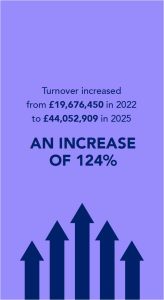
In 2025, our business grew significantly. Turnover increased by 124%, from £19.6 million in our 2022 baseline year to £44 million. With that growth came more projects, more plant, more materials and more people. It would have been easy for our carbon footprint to grow unchecked. Instead, we focused on something more meaningful than absolute emissions: carbon intensity.
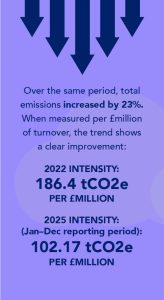
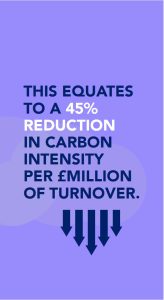
When measured per £1 million of turnover, our carbon intensity reduced from 186.4 tCO₂e in 2022 to 102.17 tCO₂e in 2025. That is a 45% reduction in carbon intensity over three years, demonstrating that responsible growth and environmental progress are not mutually exclusive. In simple terms, LPL has more than doubled its turnover while almost halving its emissions per pound of output.
Our Net Zero Roadmap
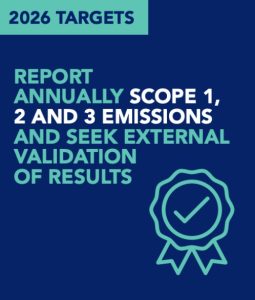
Our Carbon Management Plan, sets out a structured, science-aligned pathway to net zero by 2050. We measure and report Scope 1, 2 and 3 emissions annually in line with the GHG Protocol, with external verification through Carbon Footprint Ltd and publication on the CaDi public database.
Scope 1 – Direct Fuel Emissions
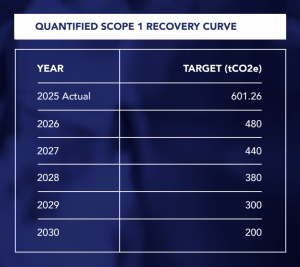
Our 2025 Scope 1 emissions totalled 601.26 tCO₂e, reflecting a period of significant project intensity with increased plant utilisation across multiple concurrent civil engineering sites. Our target is to reduce this to 200 tCO₂e by 2030, an average reduction of approximately 80 tCO₂e per year. We are pursuing this through four structured workstreams:
- Alternative fuel expansion,
- Plant efficiency controls,
- Fleet transition and
- Structured travel management.
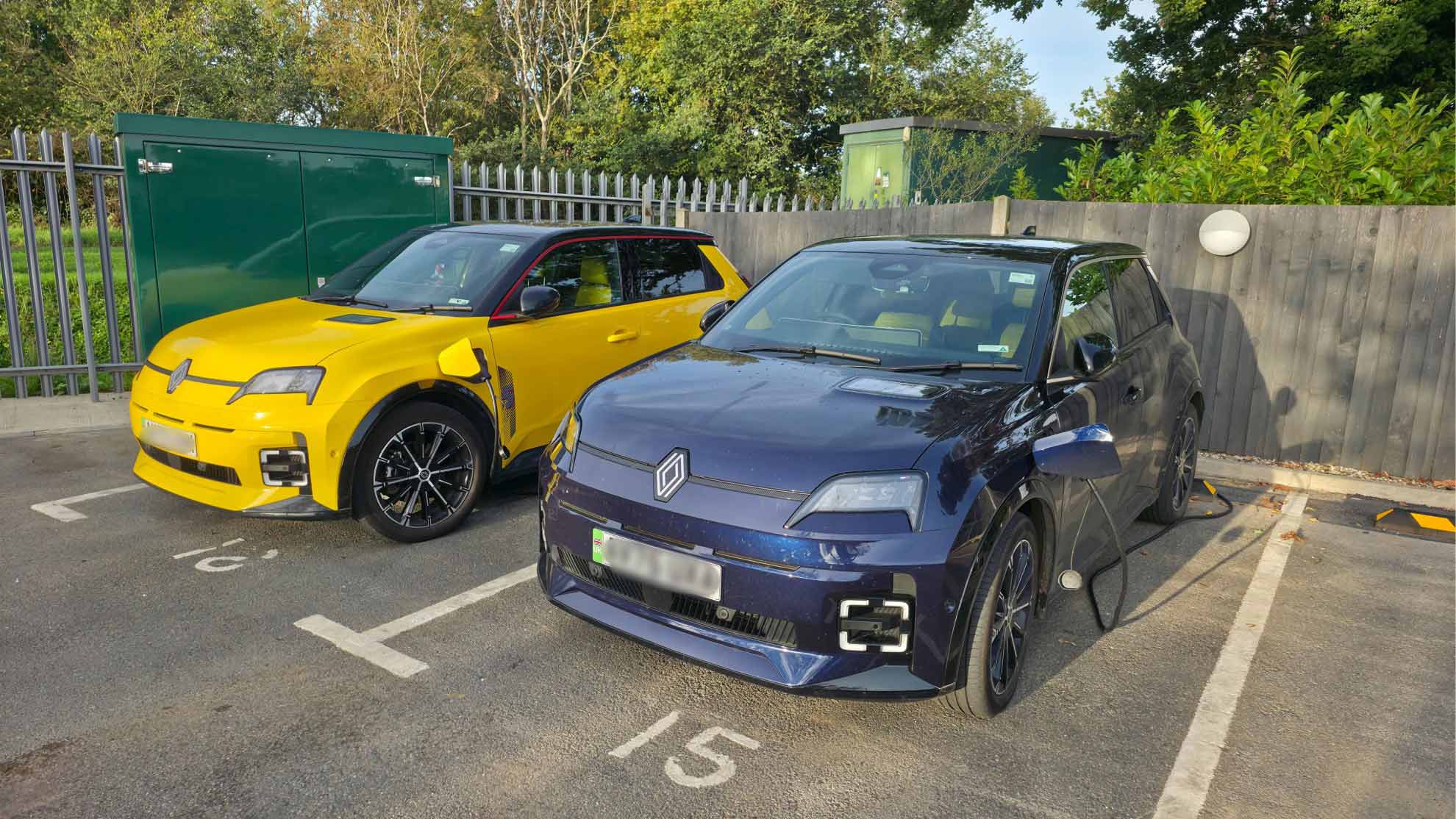
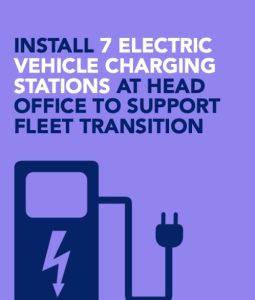
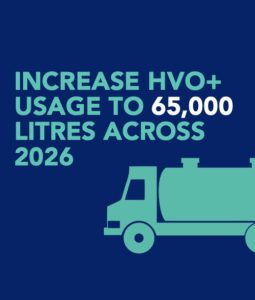
Alternative fuel substitution is already making a measurable difference. During Q4 2025 alone, 59,000 litres of HVO+ fuel were used in place of white diesel, avoiding approximately 147 tCO₂e relative to a fossil diesel baseline. HVO+ adoption is becoming standard across our plant categories wherever technically feasible. During 2026, we are commencing a phased replacement of internal combustion engine vehicles with electric alternatives, supported by the installation of seven 7kW electric vehicle charging points at head office.
Scope 2 – Purchased Electricity
Our Scope 2 emissions reduced to 8.31 tCO₂e in 2025, a 37% reduction from our 2022 baseline, and Scope 2 remains on track. We are committed to transitioning to a certified renewable electricity provider at the earliest contractual opportunity, targeting Net Zero Scope 2 emissions no later than 2035. Hybrid solar-powered welfare units are already reducing generator reliance across our sites.
Scope 3 – Supply Chain and Embodied Carbon
Scope 3 remains our largest challenge and our greatest opportunity. Our 2025 Scope 3 total was 3,891.22 tCO₂e, reflecting materially intensive civils phases across several major projects. Our 2030 target is 1,000 tCO₂e, and our recovery pathway focuses on three key levers: concrete decarbonisation, waste and landfill reduction, and steel and procurement controls.
Concrete is the single largest Scope 3 reduction opportunity. We are increasing cement substitution ratios using GGBS, requiring embodied carbon comparisons at tender stage and prioritising suppliers with Environmental Product Declarations. On steel, we are maintaining high recycled-content reinforcement, preferring Electric Arc Furnace production routes and engaging suppliers on science-based reduction pathways.
On waste, our current landfill diversion rate is 25%. We have a structured trajectory targeting 50% diversion by 2030, with measurable annual milestones and a landfill-last-resort governance trigger already in place across our projects.
Recognised by the Industry
Our commitment to sustainability is not just internally measured. In June 2026, LPL Construction Services was awarded the EcoVadis Gold Medal for sustainability, placing us in the top 5% of companies rated worldwide with an overall score of 81 out of 100. EcoVadis is the world’s most trusted business sustainability ratings platform, assessing over 130,000 companies across global supply chains. Across the four EcoVadis themes, our scores were:
- Environment: 78 – Top 5% global performance
- Labour and Human Rights: 82 – Top 5% global performance
- Ethics: 78 – Top 5% global performance
- Sustainable Procurement: 84 – Top 5% global performance
Sustainable procurement scoring the highest of all four reflects how deeply embedded our approach to supply chain decarbonisation has become. This isn’t about ticking boxes at audit time. It’s the result of daily procurement decisions, supplier engagement and evidenced reporting across every project we deliver.
Aligned to the United Nations SDGs
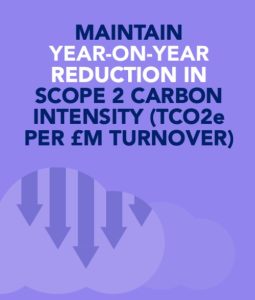
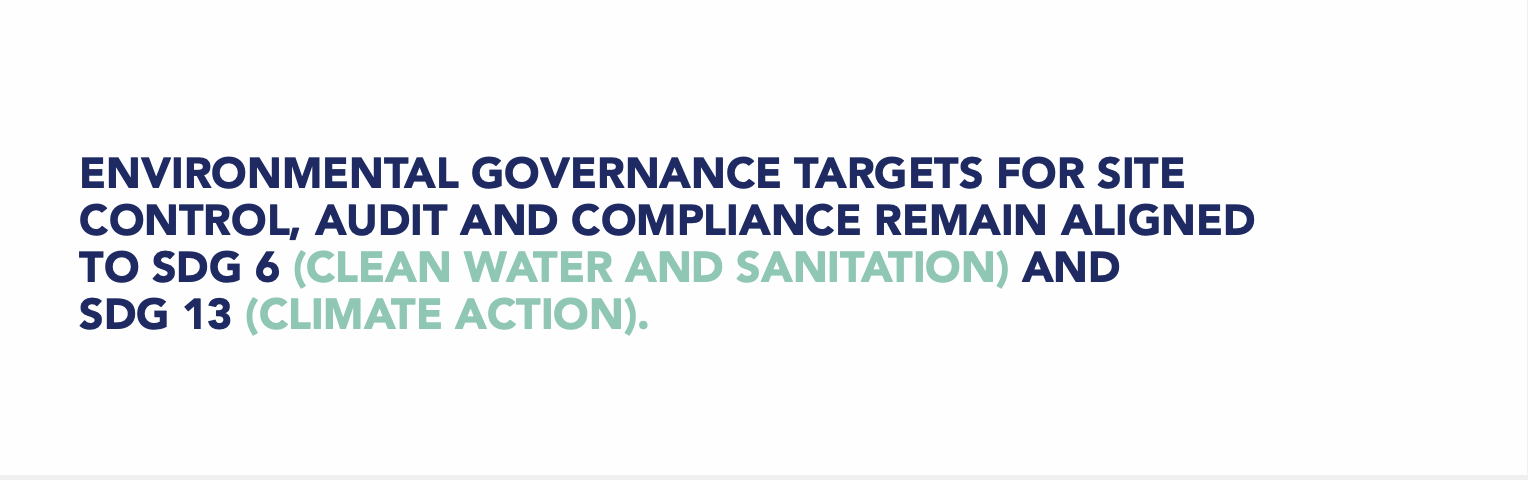
LPL Construction Services formally aligned its operations to the 17 United Nations Sustainable Development Goals in 2023. Our 2025 SDG Performance report, provides a transparent account of progress across all 17 goals. On climate action (SDG 13), our 2025 reporting reflects the dual reality facing a growing SME in a carbon-intensive sector: absolute emissions have risen in line with project scale, but carbon intensity has fallen sharply and structured reduction pathways are now formalised and evidenced. We are targeting year-on-year Scope 2 intensity reduction, increasing HVO+ usage to 65,000 litres across 2026 and seeking external validation of all Scope 1, 2 and 3 emissions data.
On responsible consumption and production (SDG 12), we are tracking landfill diversion from 25% toward 30% in 2026, recording recycled aggregates and fine aggregate volumes as a new Scope 3 KPI, and ensuring 100% of steel reinforcement procurement flows through CARES-certified suppliers.
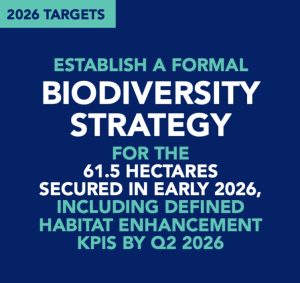
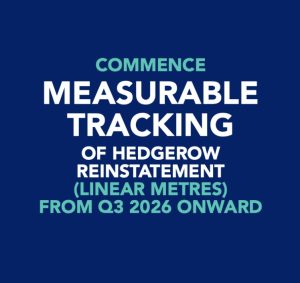
On life on land (SDG 15), we negotiated the acquisition of approximately 152 acres (61.5 hectares) of land in early 2026 for structured biodiversity enhancement, with hedgerow reinstatement and habitat corridor creation forming measurable annual KPIs from Q3 2026 onward. This marks a transition from reactive environmental mitigation to proactive ecological investment, something we believe the construction sector has a responsibility to lead on.
Innovation on Site
Net zero in construction is not achieved by policy alone. It is achieved through innovation in how we work on site, and 2025 brought several practical advances.
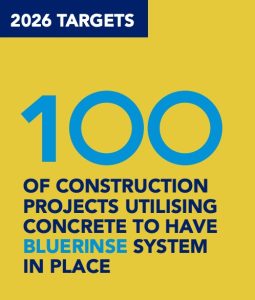
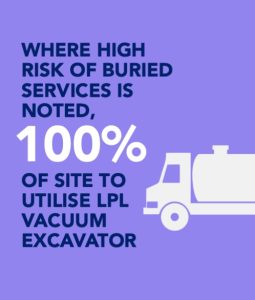
Alkali-neutralising concrete washout systems (BlueRinse) were deployed across all 15 live civils-based projects during the year, treating high-pH cementitious runoff at source before discharge. Investment in a tracked, remotely operated vacuum excavator and enhanced buried services detection using magnetometer technology resulted in zero service strikes in 2025, alongside improved operational efficiency and reduced environmental risk.
Plant telematics systems now enable systematic capture of engine hours, idle time and power modes across our fleet, giving our operational teams data-led oversight of fuel consumption and enabling targeted reductions rather than broad estimates.
Our Commitment Looking Ahead
BSI Net Zero Week exists because the challenge is real, the urgency is real, and 91% of businesses still need support to get there. At LPL Construction Services, we are proud to be one of the businesses that has moved firmly from ambition to action.
Our 2025 Carbon Management Plan states it plainly: the 2030 target of 1,000 tCO₂e for Scope 3 remains our ambition, and we are pursuing it through structural material change, supply chain decarbonisation, waste reduction maturity and embodied carbon management. Our strategic focus for 2026 to 2030 is to reduce carbon intensity per project through material substitution, procurement discipline and landfill reduction, while integrating carbon reduction into growth and project delivery decisions.
Sustainable development at LPL is not a destination. It is an ongoing obligation demonstrated through disciplined action, year after year.
If you would like to find out more about BSI Net Zero Week 2026, including session registration, visit pages.bsigroup.com/net-zero-week-2026.